
Cooling preparation
Focus on coils, blower operation, condensate drainage, electrical components, controls and cooling performance.
Seasonal heating and cooling maintenance for the equipment, airflow and controls your home relies on.
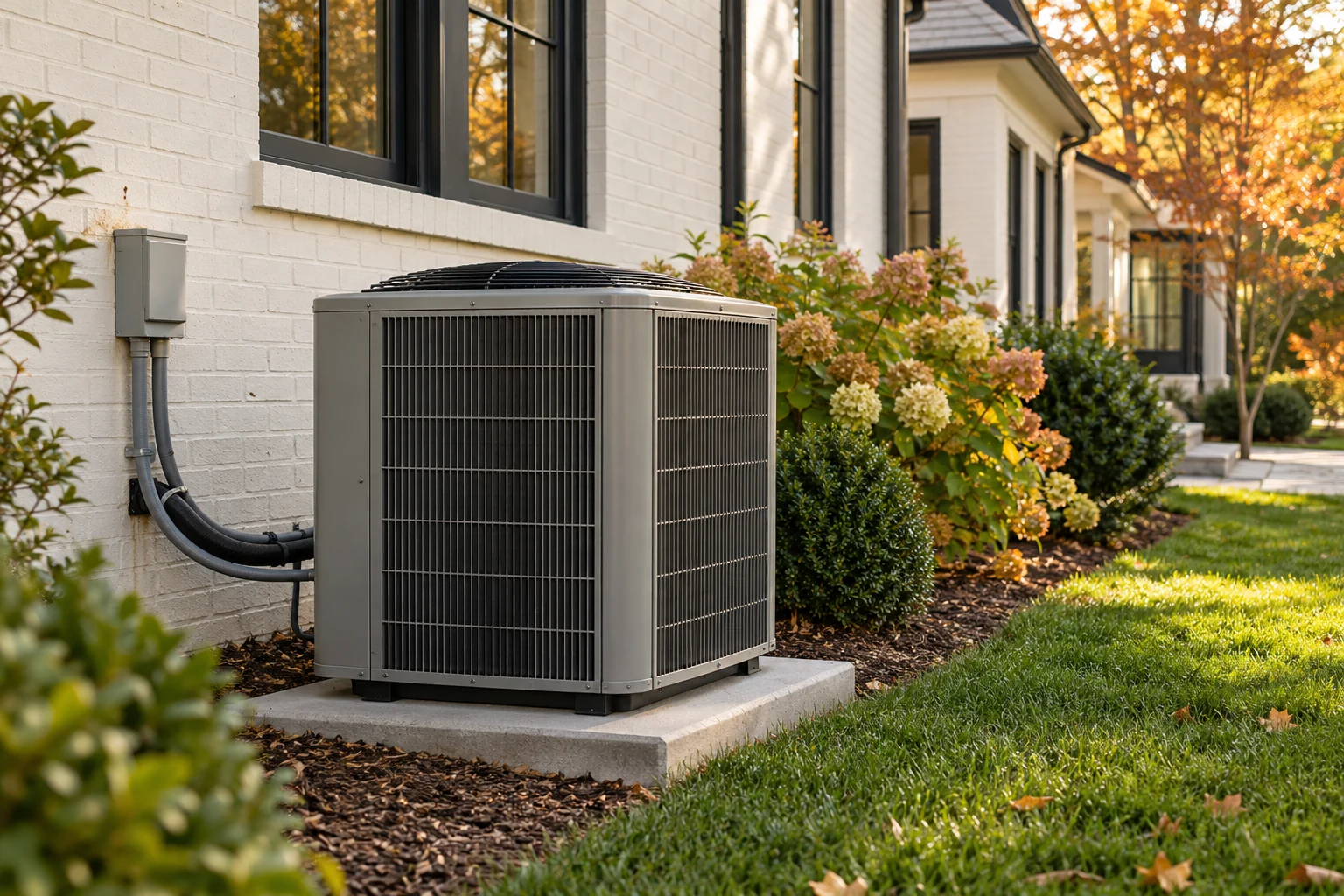
Plan cooling maintenance before hot weather and heating maintenance before cold weather. A visit should follow the system installed in your home.
Give heating and cooling a little attention before the weather asks more of it.
Cooling maintenance looks at the equipment, airflow and drainage that help the home handle warmer weather.
The equipment and operating mode determine the checks.
Focus on coils, blower operation, condensate drainage, electrical components, controls and cooling performance.
Review applicable heating controls, airflow, ignition, burners and venting based on the system type.
Review both heating and cooling operation, including controls and backup heat where installed.
A maintenance conversation should explain the condition of the system.
Ask which components and operating conditions were reviewed.
Separate routine care from repairs, safety concerns and future planning.
Review any recommended work and its scope before authorization.
Small homeowner tasks should follow the equipment instructions.
Use the correct size and an efficiency the system can accommodate. Replacement timing depends on the filter and home.
Avoid blocking return grilles or supply registers with furniture or household items.
Keep a note of new sounds, longer run times, water or rooms that become difficult to condition.
ENERGY STAR recommends annual pre-season checks: cooling in spring and heating in fall. The equipment manufacturer may provide additional requirements.
Inspect it regularly and follow the filter and equipment instructions. Pets, dust, use, filter type and household conditions affect the interval.
No. Maintenance can identify issues and support operation, but it does not guarantee that a component will not fail.